
- Section
Visual Repair Diagrams
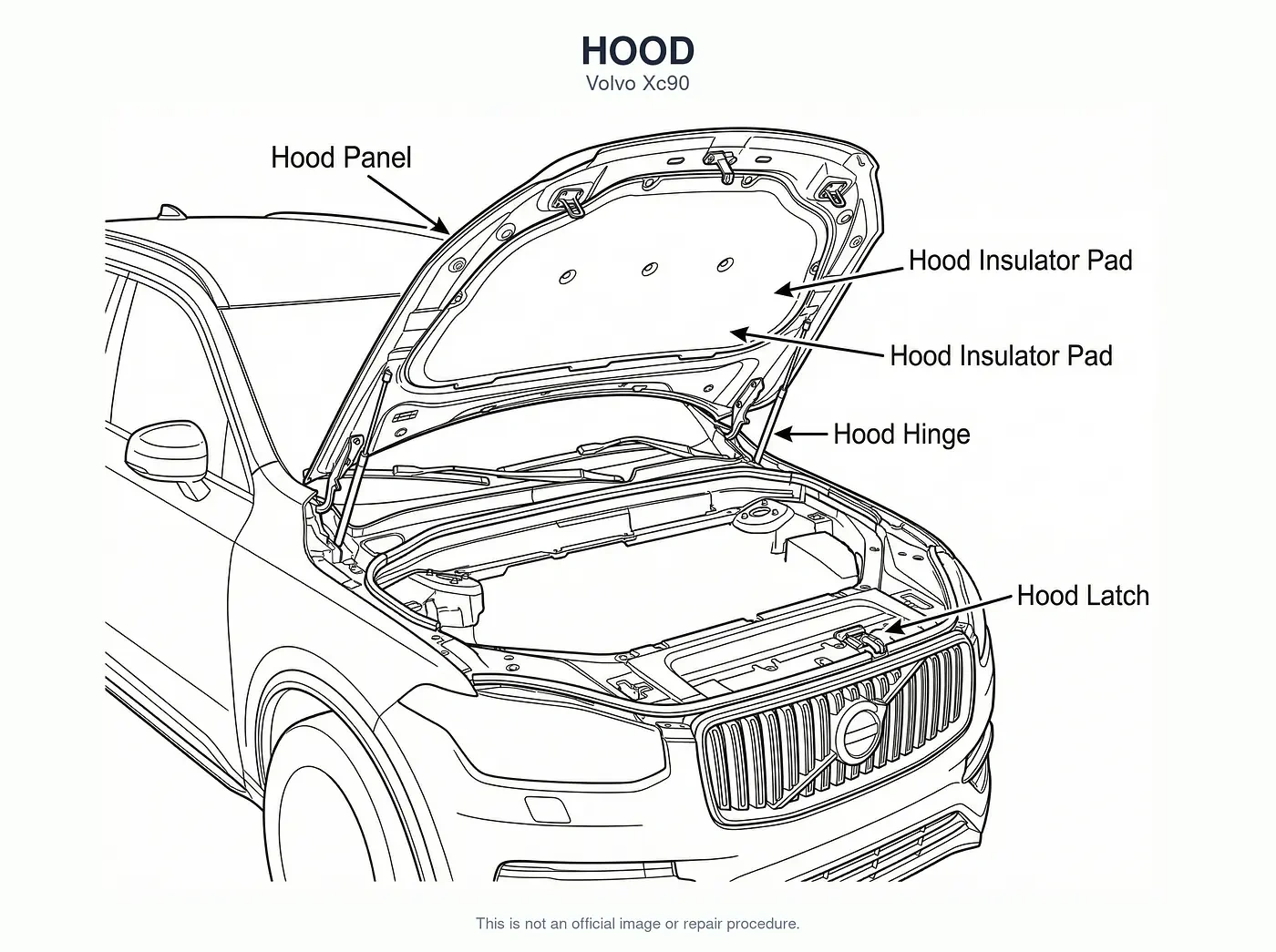
Simple diagrams help show the areas of your vehicle involved in the repair, including damaged panels, replaced parts, refinished areas, and safety-related components.
For car owners after a collision
Repair Explainer helps your selected body shop show you what your vehicle needs, why each repair step matters, and how insurance decisions may affect the process.
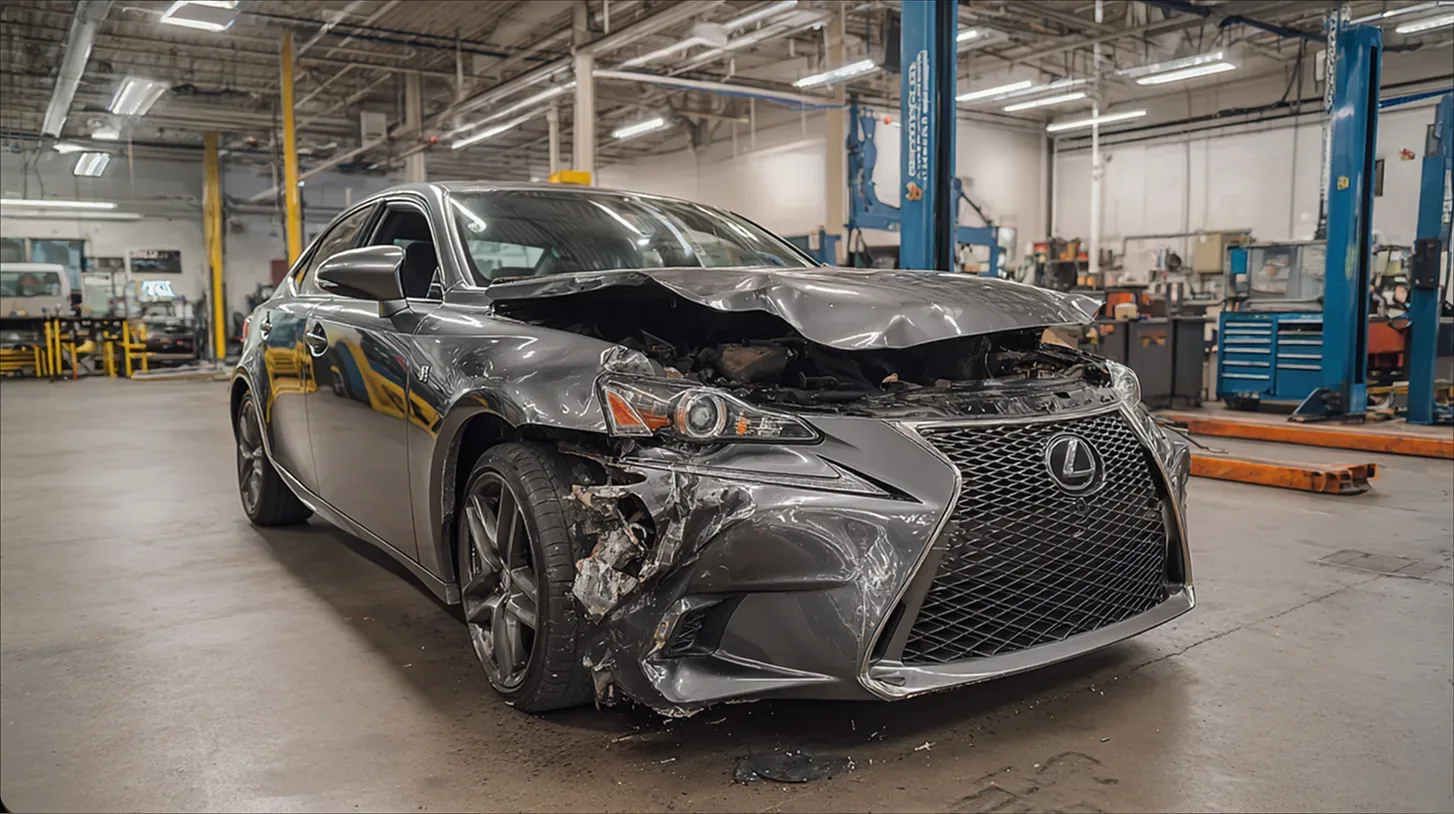
For years, collision repair estimates have been written in a way that makes sense to shops, estimators, insurers, and parts systems, but not always to car owners.
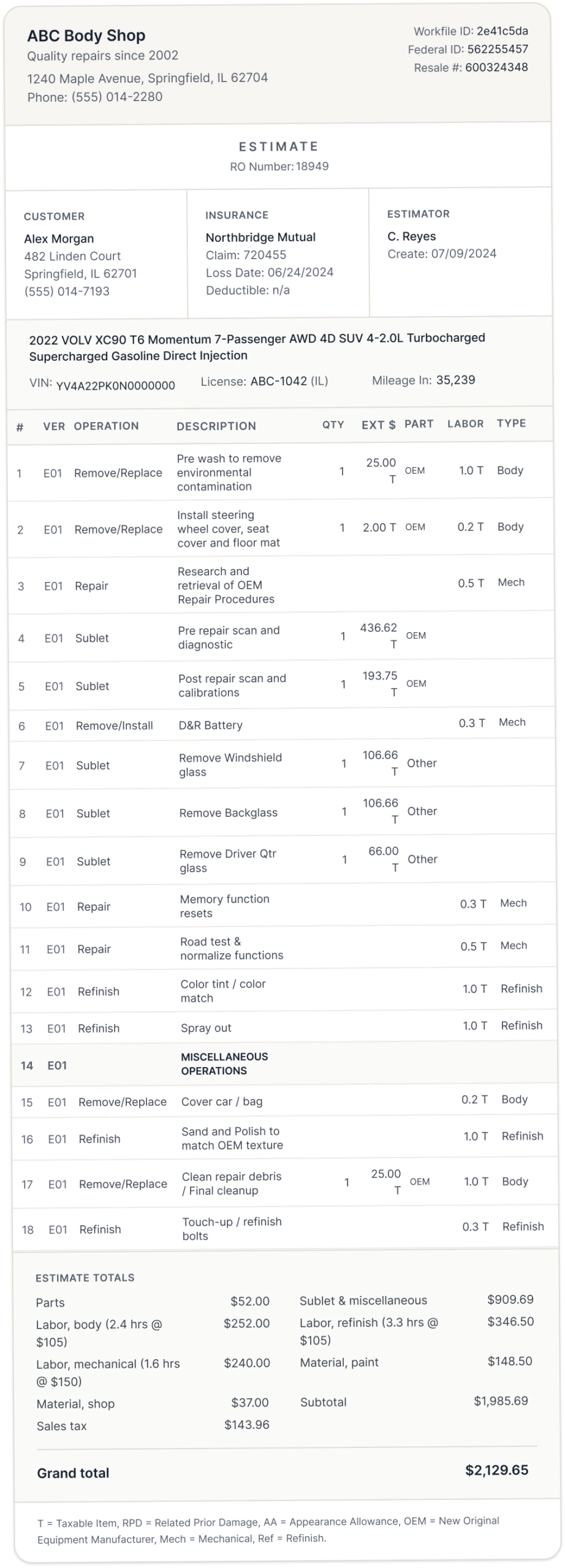
A typical estimate may include dozens or even hundreds of line items: remove and install operations, repair time, refinish labor, scans, calibrations, one-time-use parts, corrosion protection, trim access, safety system checks, and more.
That information matters, but it is rarely explained clearly.
Repair Explainer was created to help close that gap.

For most car owners, an estimate is the first time they have ever seen this kind of paperwork.
Same vehicle, same repair, same totals. On the left is the estimate most car owners actually receive. On the right is the same repair inside Repair Explainer.
Dense codes, abbreviations, and totals. Written for adjusters, parts systems, and accountants, not for you.
The same line items, grouped by what was done and why. With visuals, plain words, and the context you actually need.
Prepared for Alex Morgan by ABC Body Shop
RO 18949
07/09/2024
Repair total
$2,129.65
Sections
5 areas
Insurer
Northbridge Mutual
Sections 01
Before anyone opens a door or sands a panel, the car is washed and the interior is wrapped so dirt does not end up under fresh paint.
Section 02
Your XC90 runs on dozens of computers, cameras, and sensors. The shop scans the car before any work and again after, then verifies everything reads normally.
Section 03
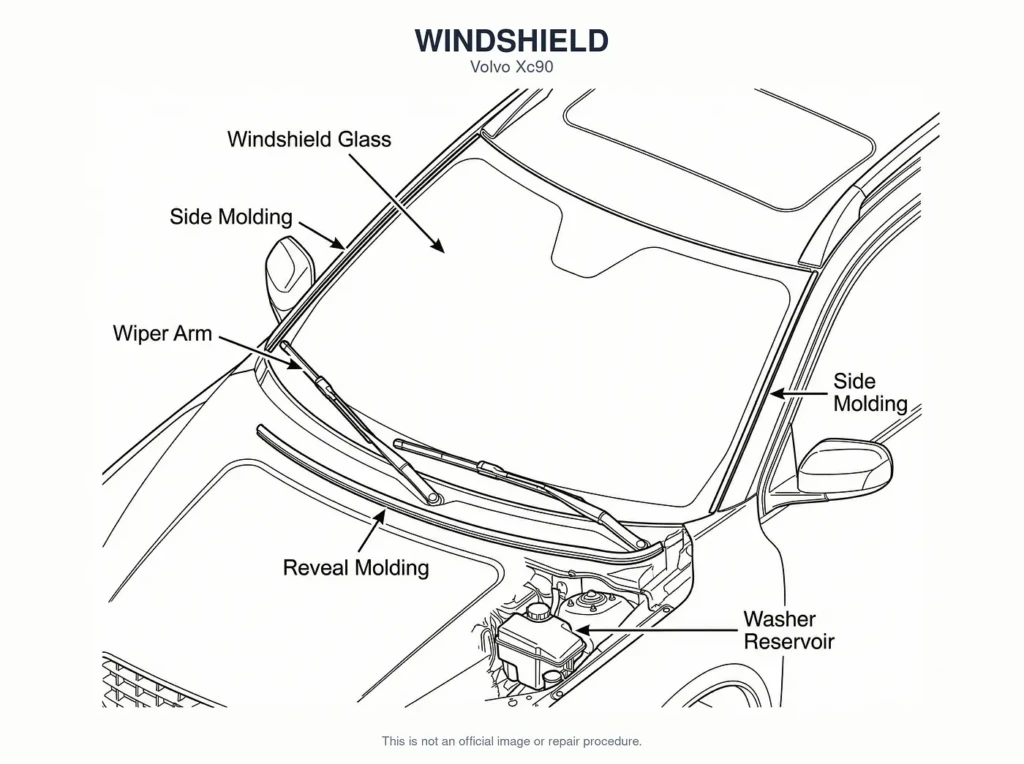
Windshield, back glass, and quarter glass were removed by a glass specialist so panels could be properly accessed and refinished without damaging the seals.
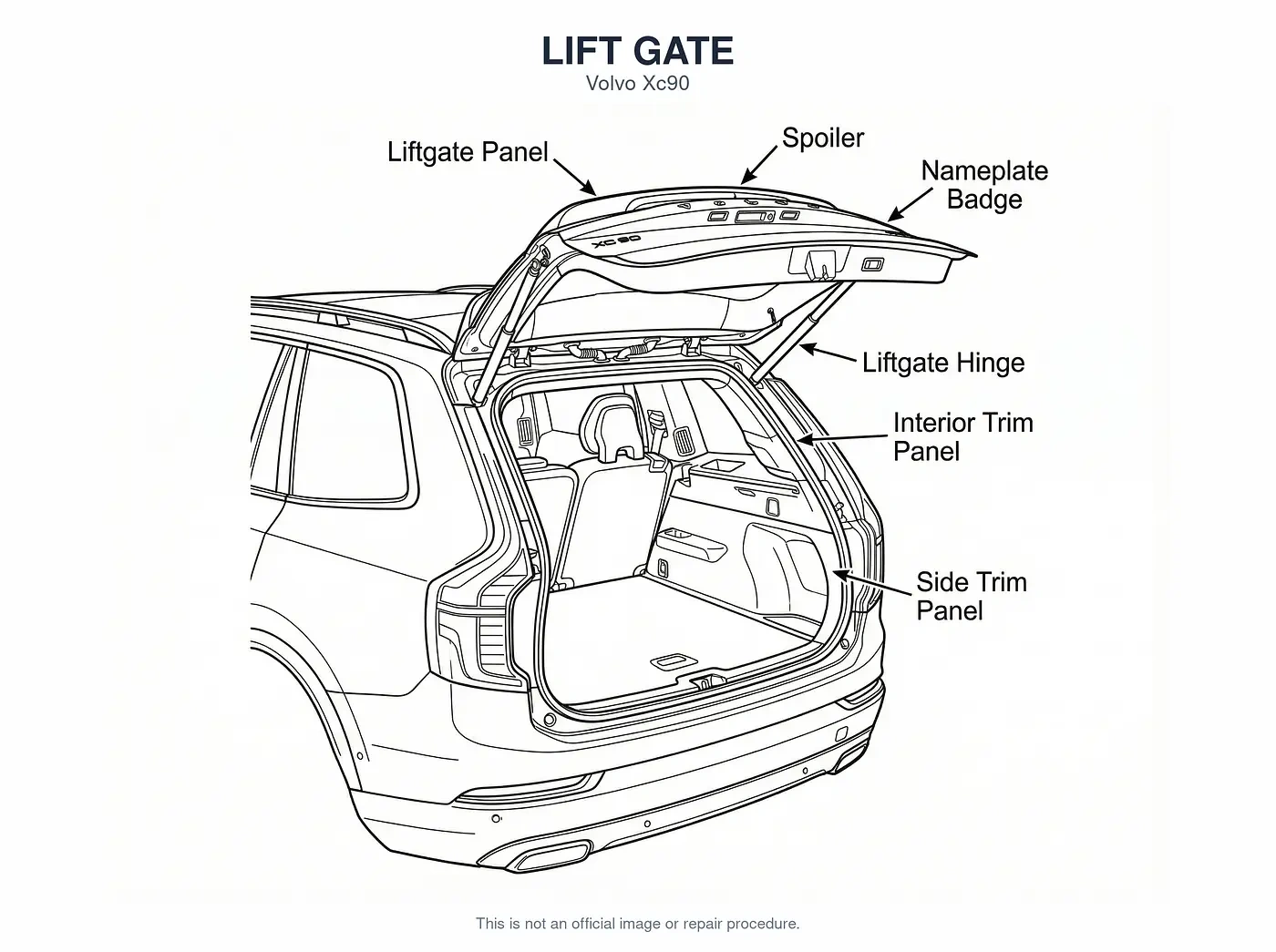
The same exploded view your shop uses, shown so you can see exactly which panels and trim pieces had to come off to access the repair area.
Section 04
Paint is custom-tinted to match your factory color, sprayed, then finished so the new panel matches the surrounding original surface.
Section 05
Small details that signal quality work and protect the underlying repair from corrosion.
Real diagrams. Plain words. No jargon. Below are the kinds of things your repair shop can show you inside Repair Explainer.
Simple diagrams help show the areas of your vehicle involved in the repair, including damaged panels, replaced parts, refinished areas, and safety-related components.
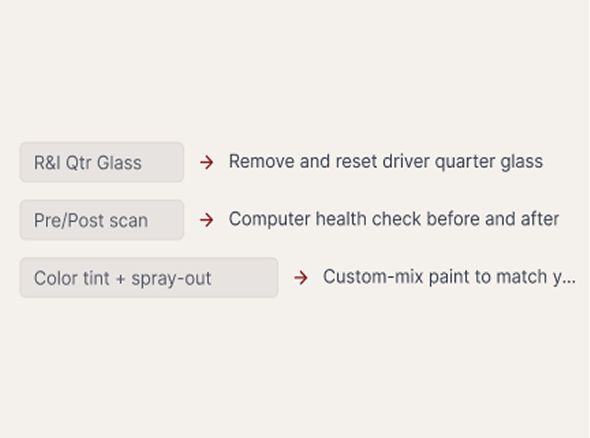
Technical estimate language is translated into clear descriptions so you can understand what is being repaired and why it matters.
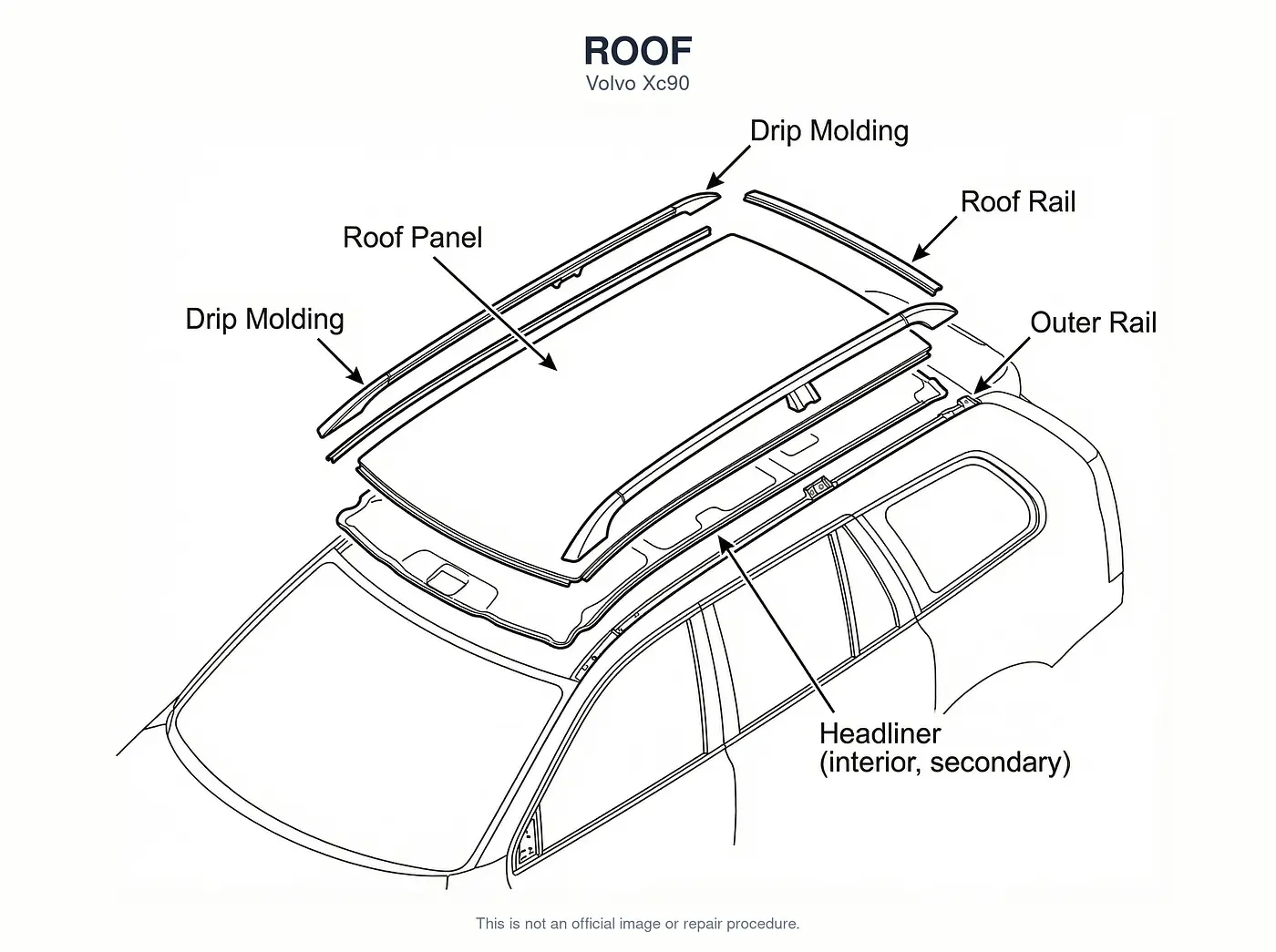
Learn how disassembly, documentation, supplements, approvals, reassembly, and quality checks fit into the repair process.
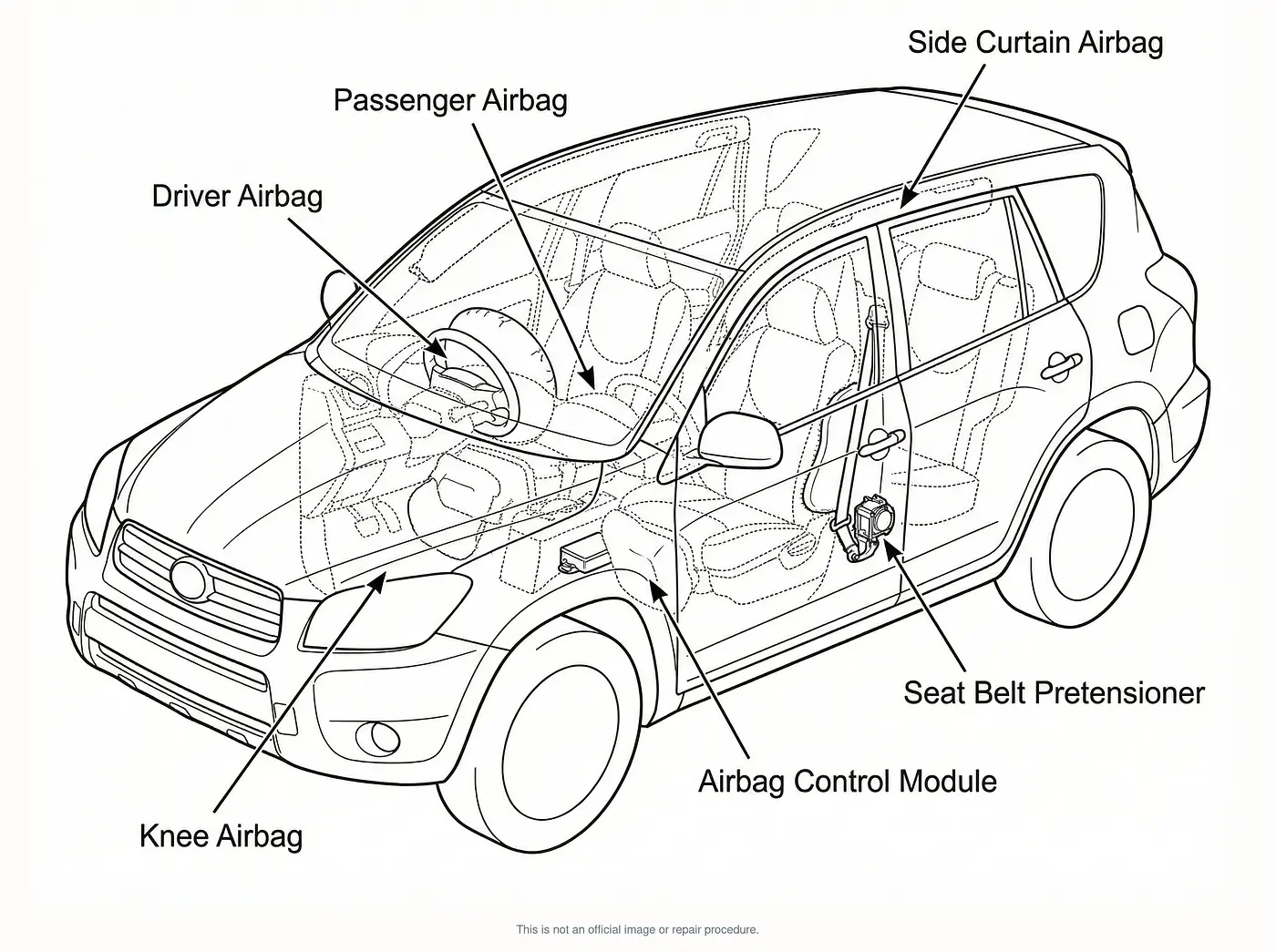
Modern vehicles often require scans, calibrations, OEM repair procedures, and system checks. Repair Explainer explains why those steps may be needed.
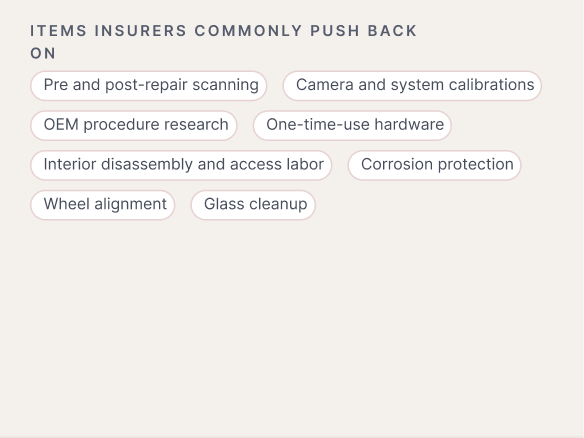
Some repair operations may be questioned or reduced during insurance review. Repair Explainer helps explain why the shop may need to document and defend them.
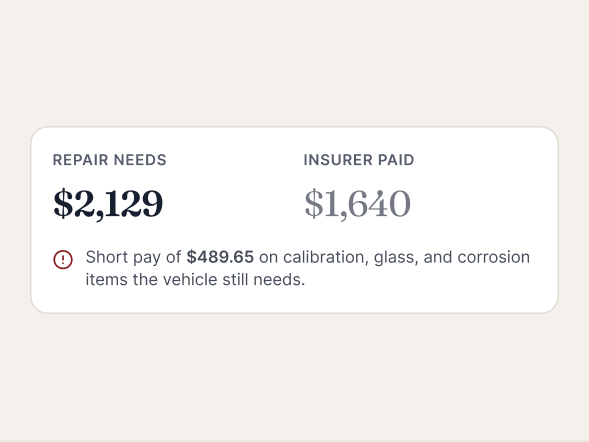
If an insurer does not fully pay for a necessary repair item, Repair Explainer can help explain what was short paid, why the vehicle still needs it, and what the shop is doing next.
Diagrams shown are illustrative examples. They are not official repair procedures.
Collision damage is not always fully visible at the beginning. Once the vehicle is disassembled, your repair shop may find additional damage, hidden parts, broken clips, damaged brackets, corrosion protection needs, or required manufacturer procedures.
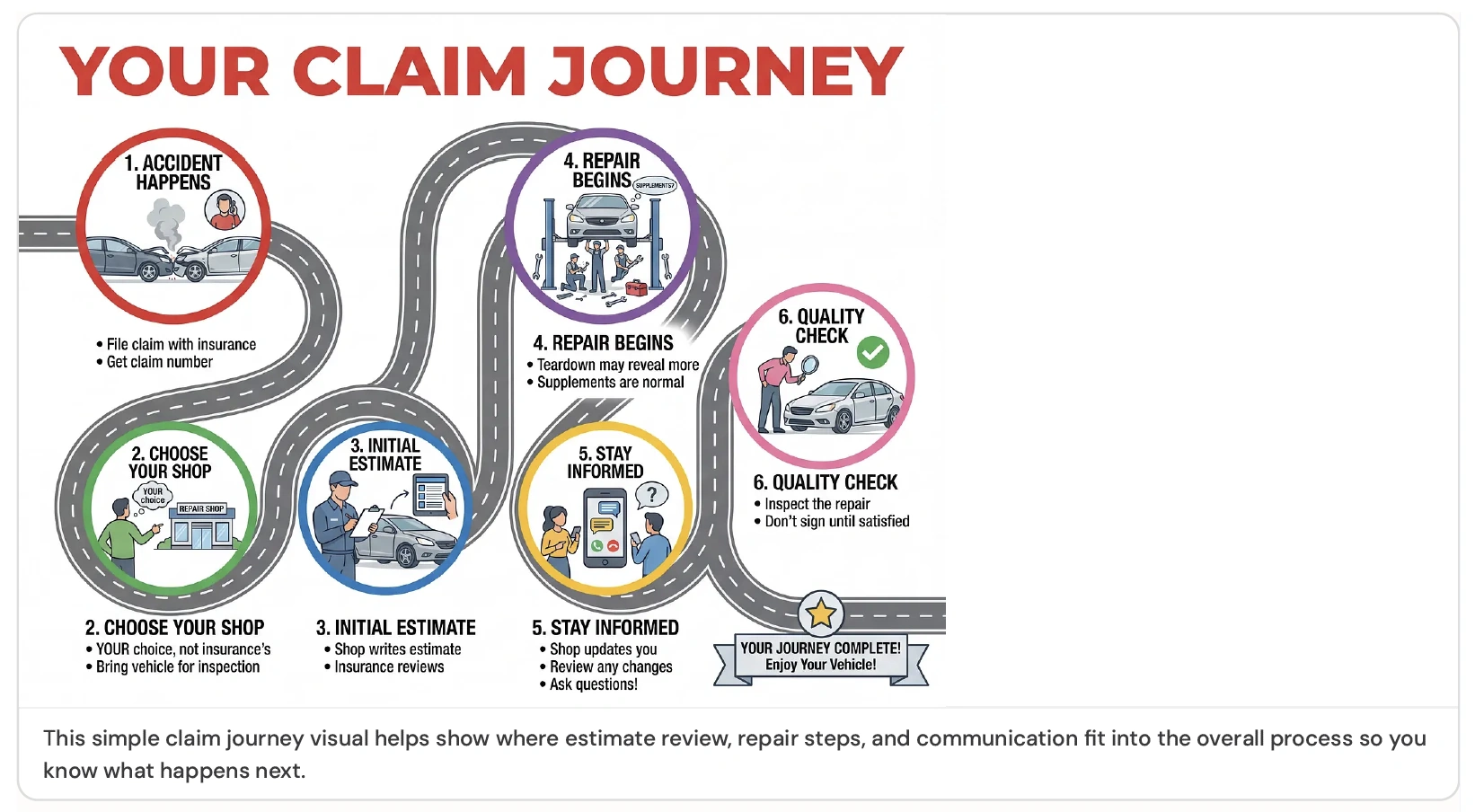
That does not mean something went wrong.
It usually means the shop is documenting the repair properly and updating the insurance company as more information becomes available.
Repair Explainer helps explain those updates so you can better understand what changed and why.
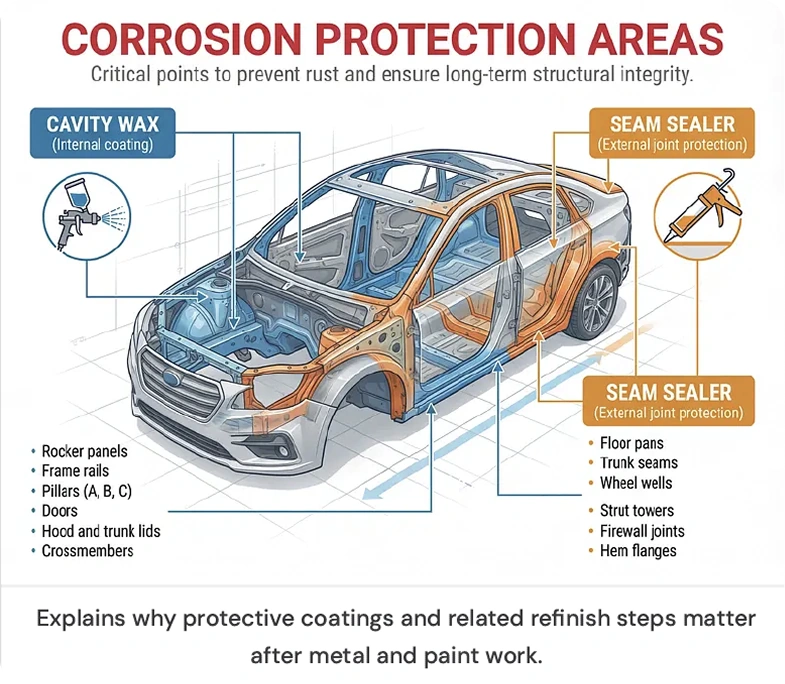
Why protective coatings and related refinish steps matter after metal and paint work. These items are often added once damage is fully exposed.
Your repair shop writes an estimate based on what the vehicle needs. The insurance company reviews that estimate and may approve some items, question others, or ask for additional documentation.
Sometimes legitimate repair operations are reduced, delayed, or denied.
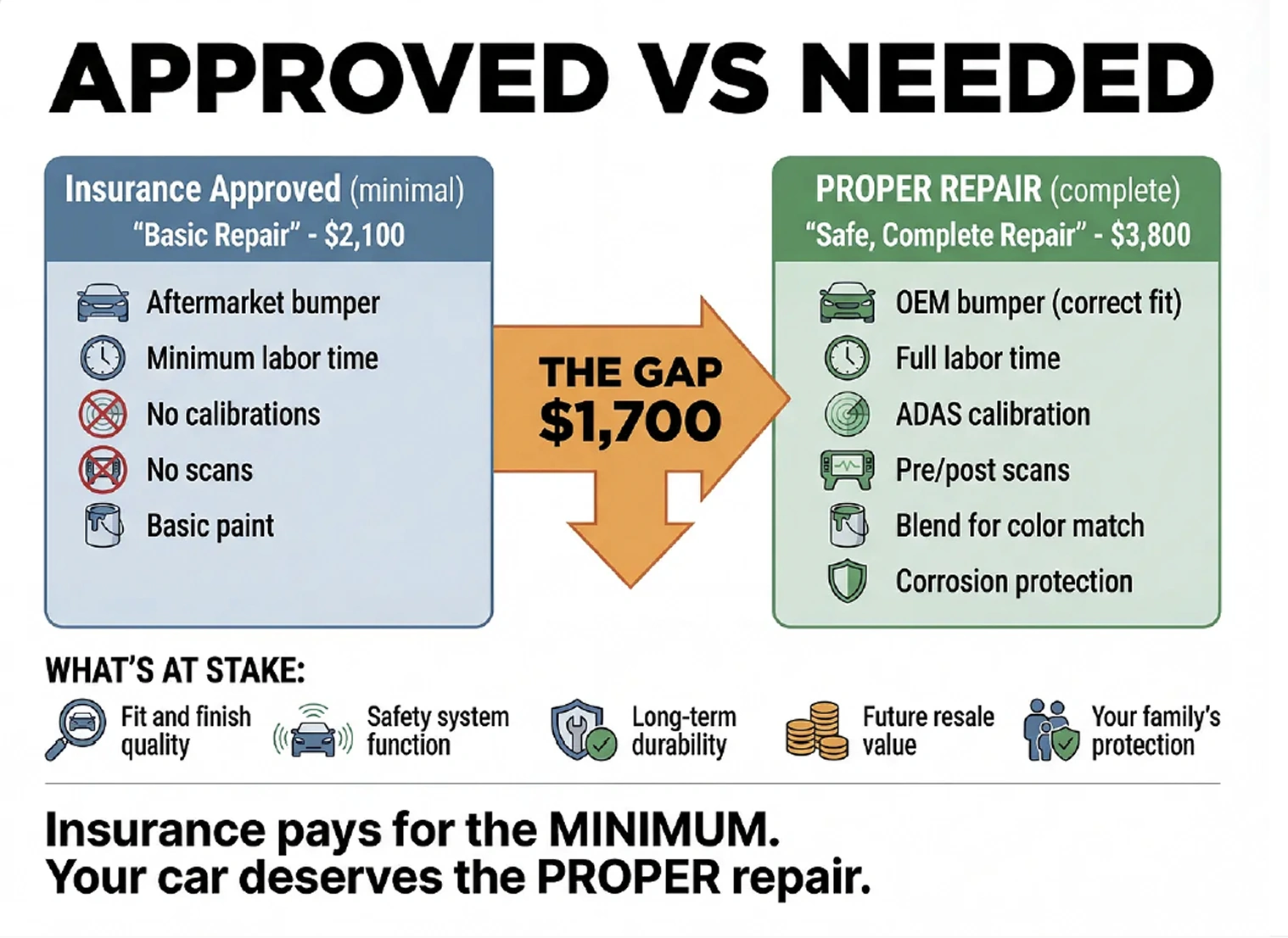
Commonly challenged items
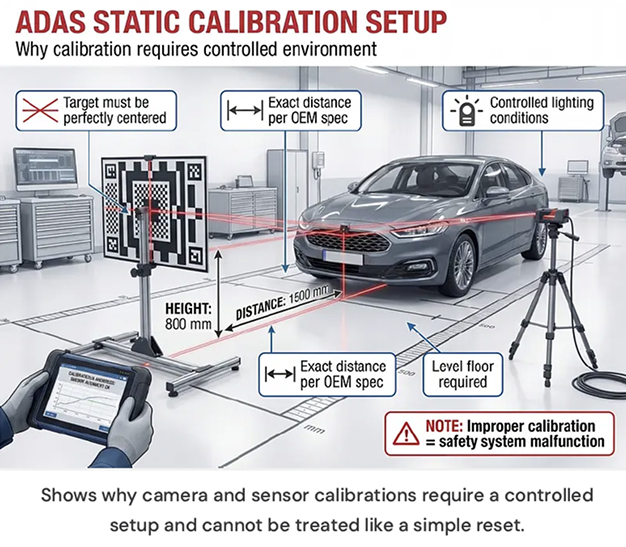
Camera and sensor calibrations require a controlled setup with specific distance, target alignment, and lighting. That is why they show up as separate, documented steps.
A short pay happens when an insurer pays less than the amount requested for a repair operation, procedure, part, material, or service.
When that happens, Repair Explainer can help explain:
You should be able to ask:
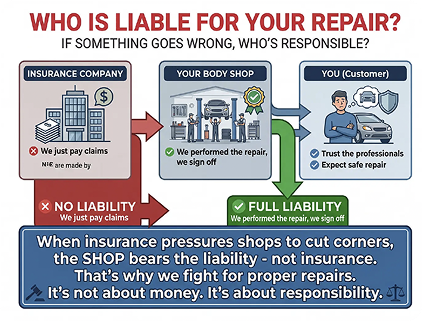
When insurance pressures shops to cut corners, the shop, not the insurer, bears the liability for the repair. That is why proper documentation matters.
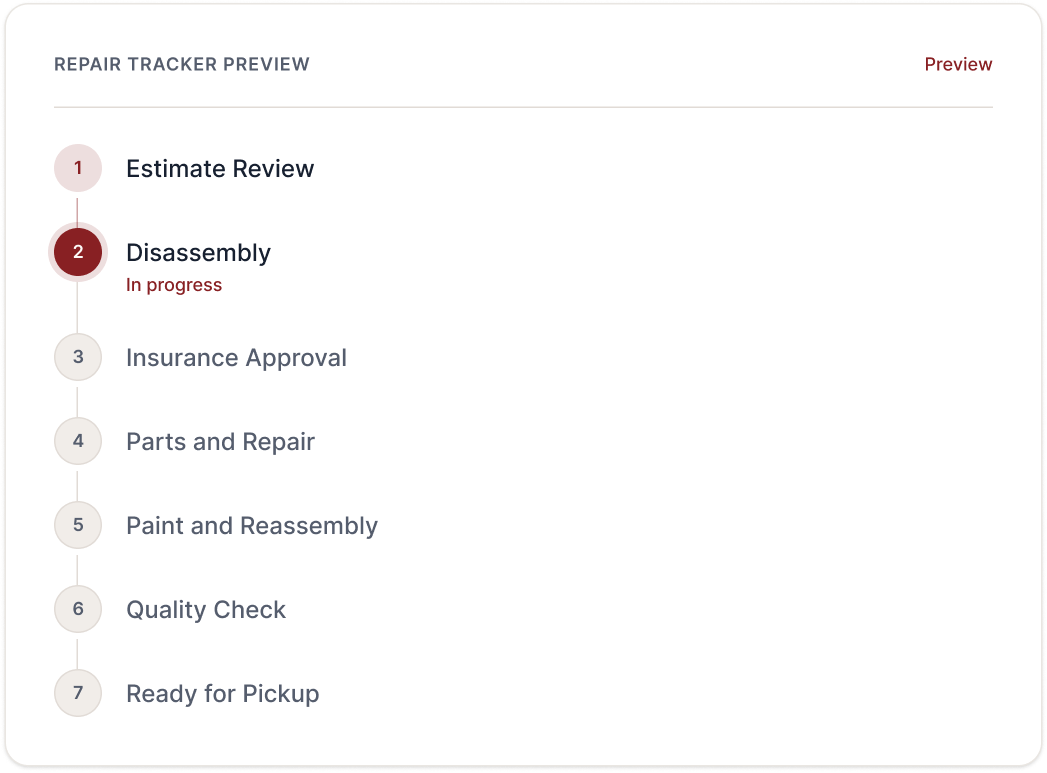
Today, Repair Explainer helps explain your collision repair estimate.
In the future, participating repair shops may also use Repair Explainer to help customers track repair status, view updates, understand claim progress, and see where their vehicle is in the repair process.
Think of it as a clearer window into your collision repair journey.
Your repair shop uses Repair Explainer to help explain your estimate in plain language. It is designed to help you understand what your vehicle needs, why certain procedures are included, and how the insurance review process may affect the repair.
Repair Explainer is an explanation of the repair estimate and repair plan. Your repair shop can tell you which documents are official estimates, invoices, supplements, or final repair records.
Many modern vehicles have cameras, sensors, driver assistance systems, restraint systems, and electronic modules that may need to be checked, reset, scanned, or calibrated after a collision repair.
Insurance companies may review estimates line by line and question certain procedures, parts, materials, or labor operations. Your shop may respond with documentation, photos, repair procedures, and other support for legitimate repair items.
A short pay happens when an insurer pays less than the amount requested for a repair item. Repair Explainer may help explain what was reduced, why the item may still be needed, and what the shop is doing to pursue payment.
Contact your selected repair shop. Repair Explainer helps explain the repair, but your shop is the best source for questions about your vehicle, repair status, charges, insurance communication, and next steps.